

Welcome to Sunday Supper!
Set the Table
Say your grace
Prayer - Dear God, Guide my path when the forest changes. Amen.
Affirmation - I am a vital thread in the tapestry of humanity.
Gratitude - I am grateful for the lessons of nature.
I am grateful for every reader, subscriber, commenter, and those who share this newsletter with others.
The Main Dish
Dig in
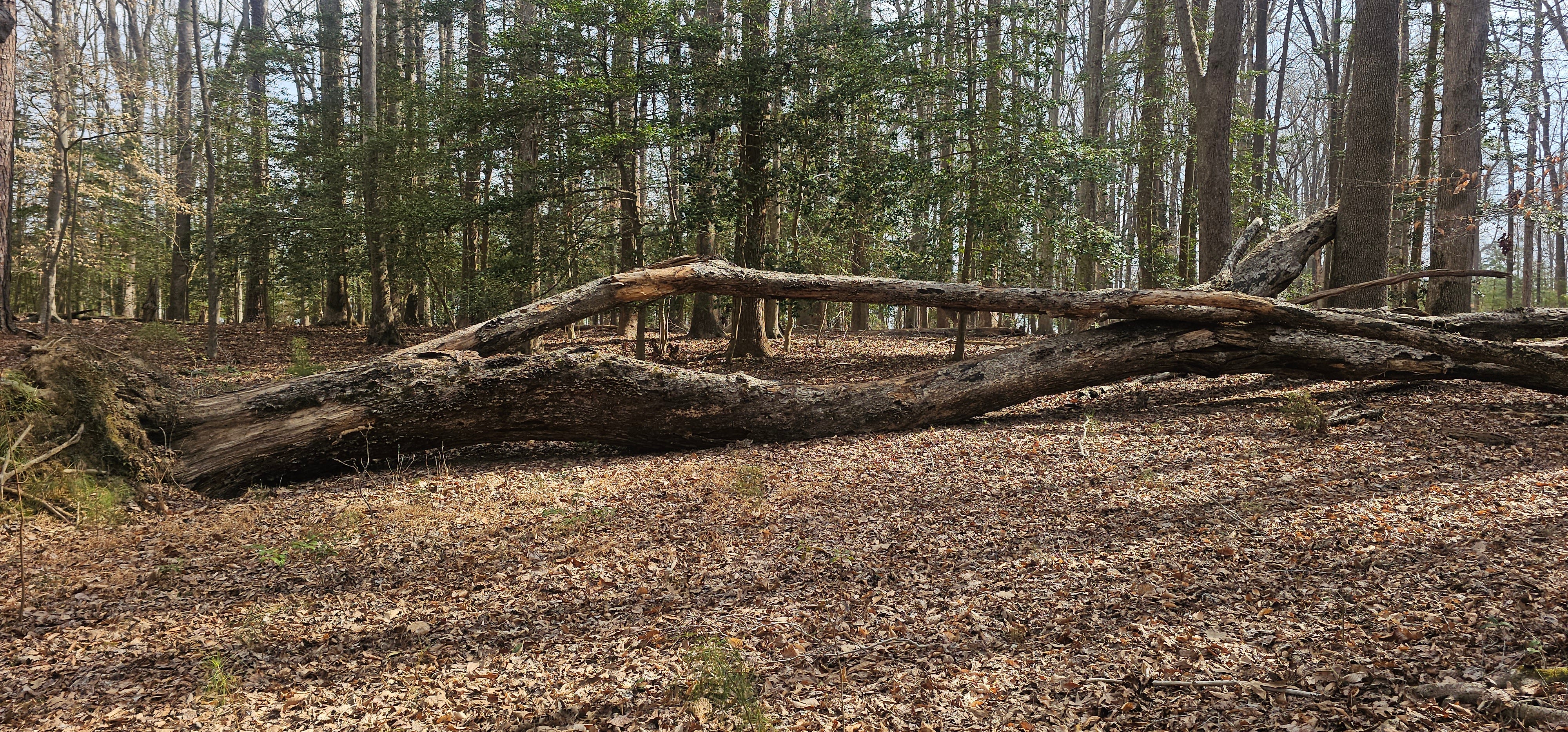
A Tale of Two Trees
Does the forest shake when a tree falls?
You know: the tree with the wide roots, many rings, and long branches. The stout tree barely moved when the wind blew. The V-shaped branches at the tree's apex once held a nest large enough for crows. It produced broad shadows that cooled the earth surrounding it, and forest hikers noticed its vast presence.
Did the forest floor absorb the shock of the large tree when it fell? Did the other trees feel the impact?
What about the sapling? Did the forest shake when a sapling fell?
You know: the small, thin tree that is just starting to grow. The one whose roots were slowly finding their place in the rich soil. The sapling's branches hadn’t formed, and no bird dared make a nest on this fragile, young tree.
Both the stout tree and the sapling shared the same soil. They were shaped by the same winds and nourished by the same sun. Each carried history in its rings. The stout tree tells an epic story, the sapling a haiku. Both drank from the same well in the forest. Both fell.
In their own ways, both trees matter equally to the forest’s story. Each life, large and small, young and old, is woven into the tapestry of existence. The loss of any one changes the whole forest.
The stout tree fell with a thunder.
The sapling fell with a whisper.
The weight of the silence that follows was the same.
The forest listened, and holds them both.
Pot Likker and Cornbread Crumbs
There’s flavor in the small things.
Nature is a teacher.
Table Talk
Join the Conversation
I’d love to hear from your corner of the forest. Please share a 'haiku' moment (something small but meaningful) that you’ve experienced.
Potluck
From Our Community Kitchen: Book, Music, Art, Substack Recommendation
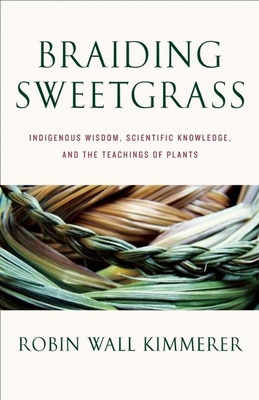
Book
Music
Art
Substack Recommendation

Recipe Exchange
Fiery Green Apples
One of my childhood luxuries was the green apple tree that grew beside my childhood home. I would pick the sweet yet tart apples and enjoy them in the shade of the tree. This childhood was the life!
One year, my mom and I had the bright idea to make a brown bag apple pie. We prepared a classic apple pie, placed it in a brown paper bag, and put it in the oven. Shortly after placing it in the oven, we smelled fire and saw smoke coming from the stove. The brown paper bag was on fire. This was our first and last attempt at this recipe.
Rather than sharing that dangerous brown bag recipe, I am happy to share a classic apple pie recipe with you today. If you try it, let me know.
Apple Pie
6-7 Large Granny Smith apples (peeled, cored, and sliced 1/4” thick).
3/4 cup granulated sugar, 2 tbsp all-purpose flour, 1 tbsp cornstarch.
1 tsp cinnamon, 1/4 tsp nutmeg, 1/4 tsp salt.
3 tbsp unsalted butter (2 for the apples, 1 to dot on top).
1 tbsp fresh lemon juice.
Your favorite double-crust recipe (chilled).
1 large egg + 1 tbsp water + coarse sugar.
Instructions
In a large skillet over medium heat, melt 2 tbsp of butter. Add your apple slices, sugar, and spices. Sauté for about 5–8 minutes until the apples are slightly softened but still hold their shape. Stir in the lemon juice, flour, and cornstarch to thicken the juices.
Pro Tip: Let this mixture cool completely before filling your crust. This prevents the dough from melting prematurely.
Roll out your bottom crust into a 9-inch pie plate. Pile in your cooled apple mixture and dot with the remaining tablespoon of butter. Top with your second crust, trim the overhang, and crimp the edges tightly to seal in those juices.
Whisk 1 egg with 1 tbsp water. Brush this mixture evenly over the top crust—this is what gives the pie that professional, high-gloss finish. Sprinkle generously with coarse sugar for a crunch, and don’t forget to cut 3–4 steam vents in the center.
The Bake
Start Hot: Bake at 400°F (200°C) for 20 minutes to “set” the pastry.
Finish Slow: Drop the temperature to 375°F (190°C) and bake for another 25–30 minutes, until the crust is deep golden brown and the juices are bubbling.
Dessert
A Sweet Send-Off
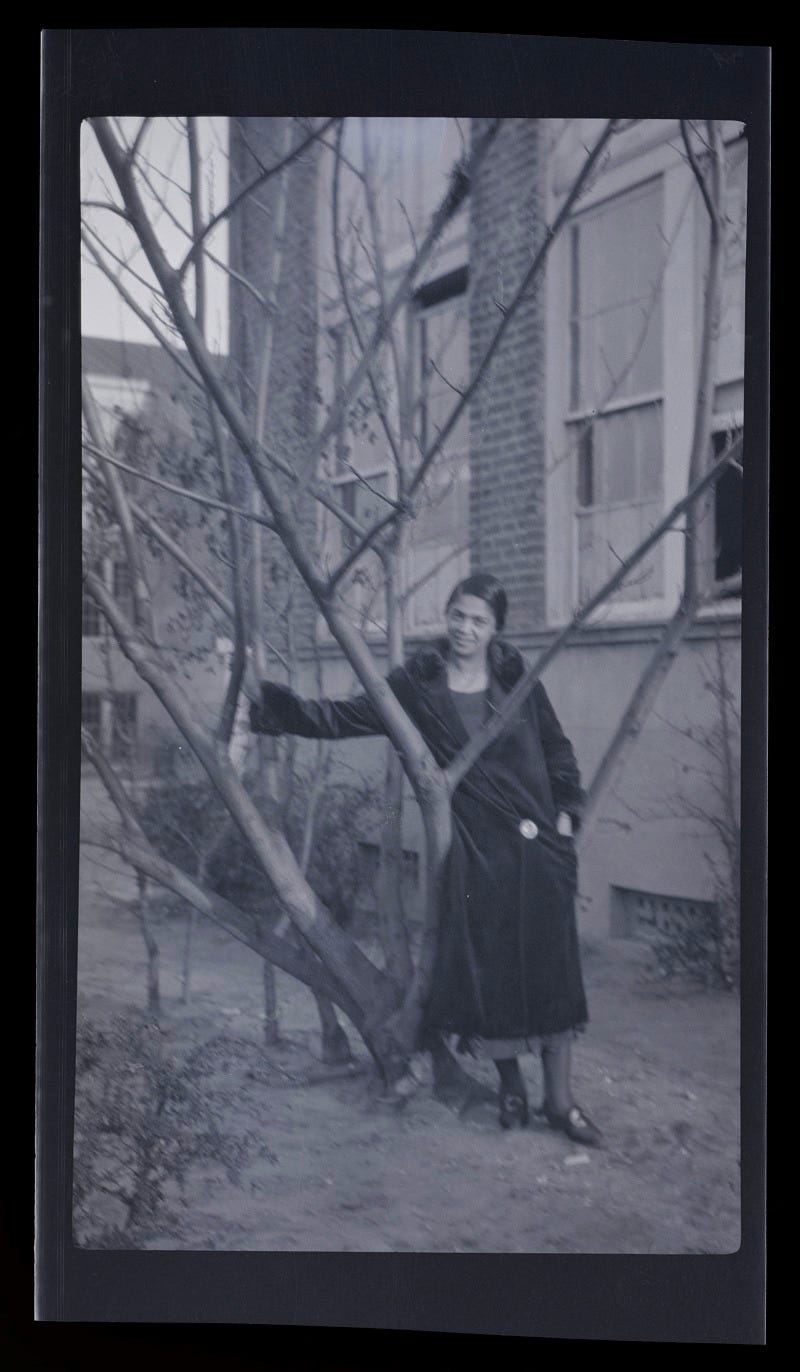
The history of African Americans in the United States is inextricably linked to the cotton shrub, but seven other tree species also hold deep meaning for this community. In the episode below, we learn about these trees from the plant scientist Beronda L. Montgomery, who has just published When Trees Testify.
Walking, I fear it
Forest spider’s sticky web
Keeps ’skeeters from me.
I call Ukiah, CA, home. Haiku is an accidental linguistic mirror reflection of Ukiah! Once I created a Yahoo email account using both Ukiah and Haiku and gifted it to a friend who lives in Japan, he told me he had gifted it to someone else.
I spend a lot of time in the forest land of Mendocino County, and one of my neat observations was figuring out what causes large dimple-like pits on the side of steep hills. I'd seen a few, and it took seeing a recently fallen tree with its huge rootball sticking up in the air to then notice the large hole left in the ground. Later, I'd see large fallen trees, in various states of decay, without the root ball, but the dimple pit remaining in the ground.